LifePro
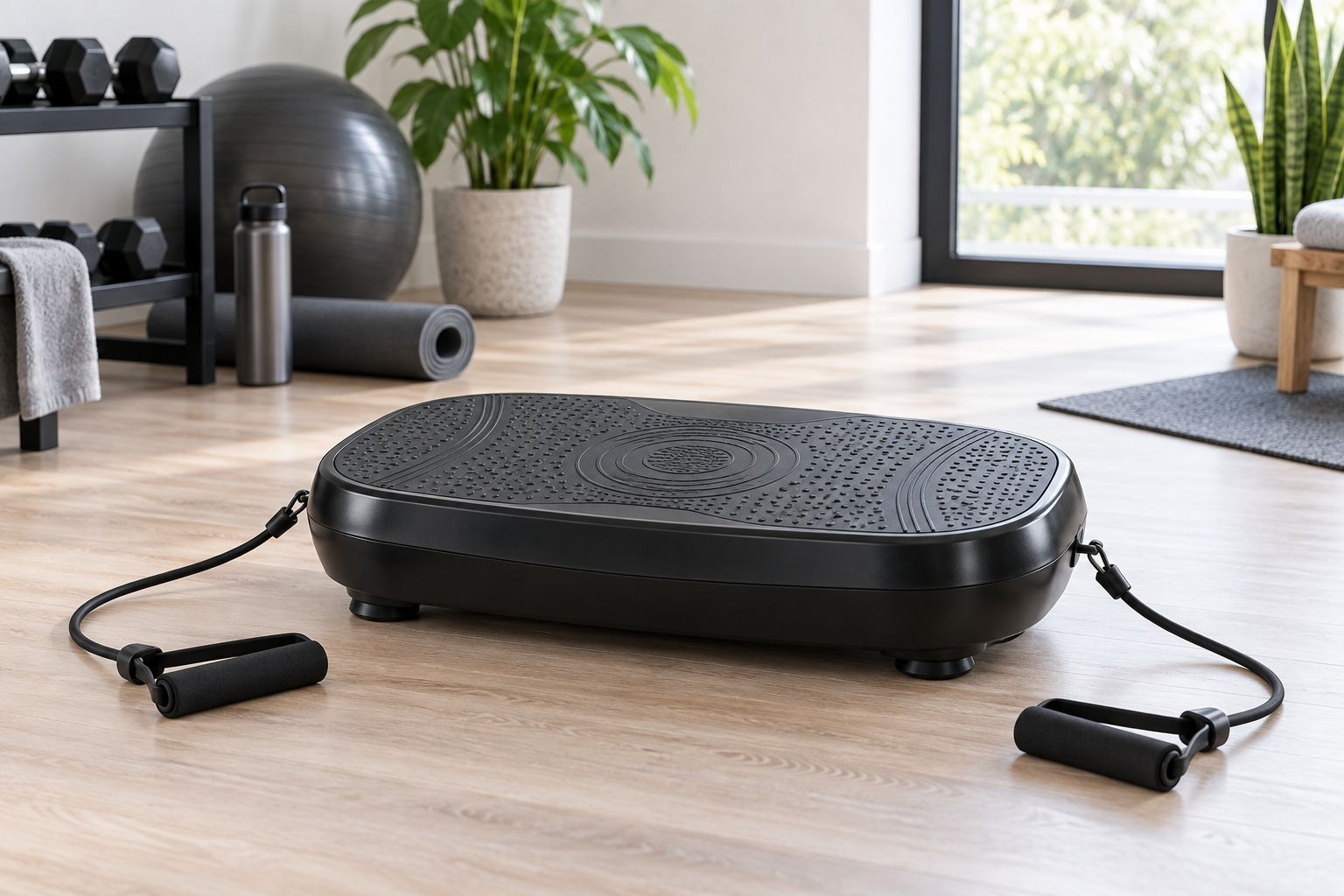
LifePro Waver 99-Speed Oscillating Vibration Plate
A broad home platform for shoppers who want straightforward oscillation and resistance-band anchors.
Compare models whose stated limits provide more capacity margin.
A higher stated user limit is a first filter, not a complete strength test. Confirm the current exact-model capacity in the manual or manufacturer listing, then leave room for clothing, permitted external weights, bands, and movement. Do not transfer a limit from a neighboring product with similar styling. Compare chassis weight, foot design, warranty, and return terms beside the headline number. If multiple household members will use the plate, plan around the highest requirement. Capacity tells little about whether the deck fits a natural stance, so measure the textured standing area separately from the outside shell.
Higher-capacity candidates may be heavier and harder to move. Record product and boxed weight, package size, grip points, wheels, thresholds, stairs, and return pickup rules before ordering. Both feet should fit completely with room to adjust stance; integrated handles deserve separate load and height verification. Test the plate on a firm level floor at a low manual setting and watch for rocking or travel as weight shifts. A dense mat can address contact noise only if it remains stable. Choose the model that combines verified margin with usable deck space and a realistic permanent or stored location. Keep the published limit, exact model number, serial number, and manual with the receipt. If a marketplace page later changes, those saved records identify the capacity and support terms represented when the unit was purchased. They also keep future comparisons from confusing a revised model with the platform already in the home.
As an Amazon Associate, we may earn from qualifying purchases.
A broad home platform for shoppers who want straightforward oscillation and resistance-band anchors.
A multi-motor platform for buyers comparing more than one movement pattern.
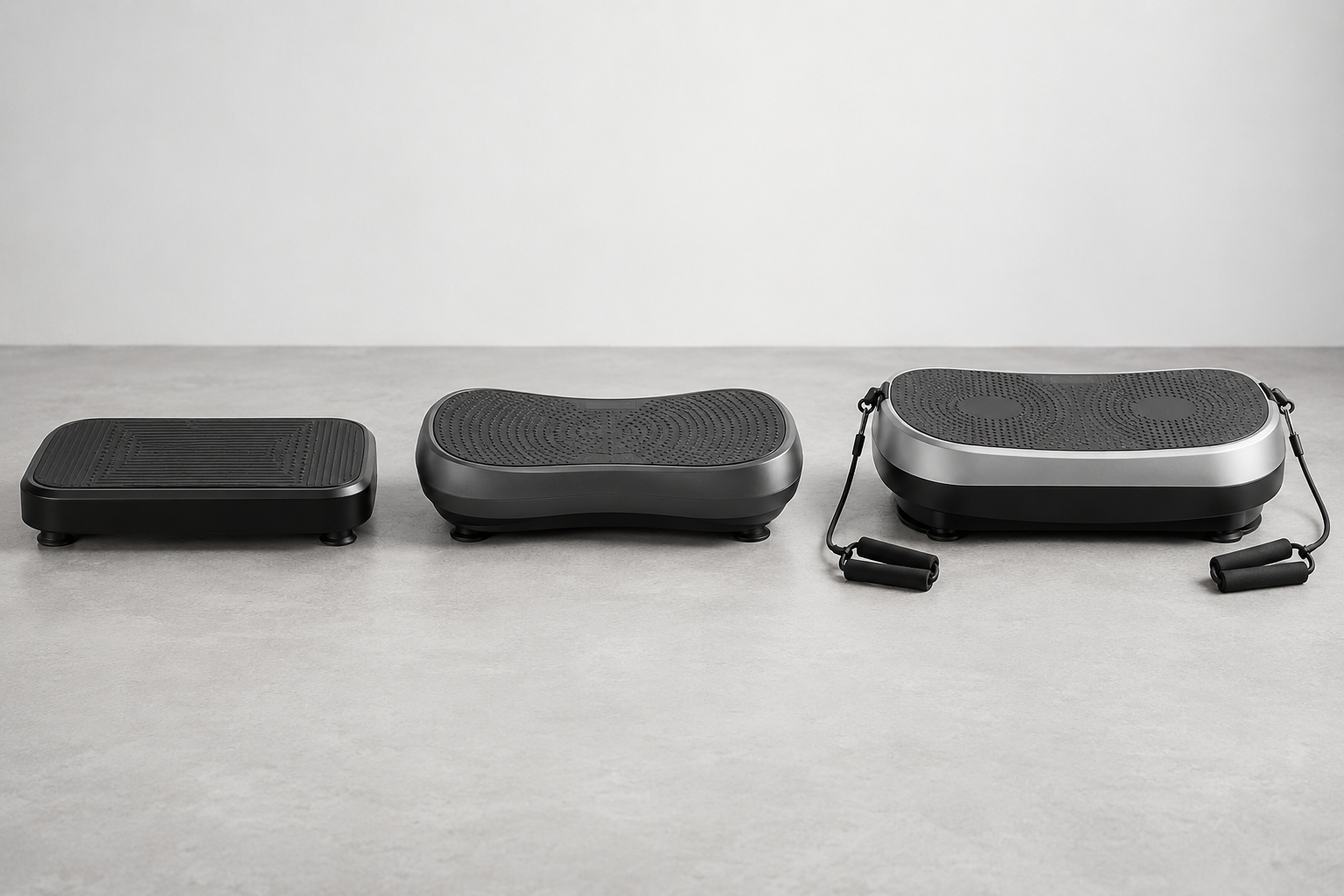
A 4D-listed MERACH platform for shoppers who want multiple motion combinations.
A dual-motor Bluefin model with a larger home-training footprint.
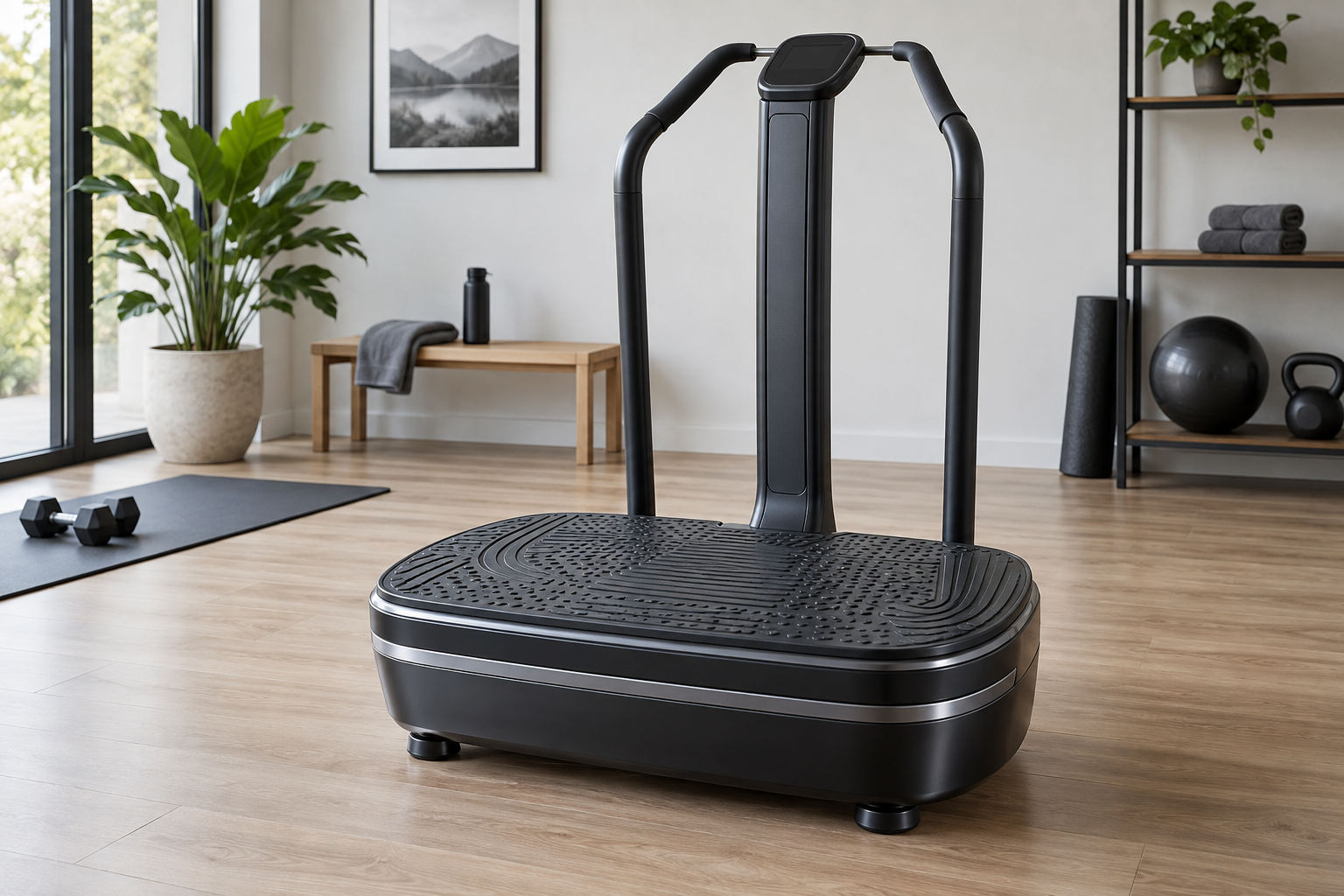
An upright professional-style platform for buyers who value integrated hand support.
A higher-capacity MERACH choice for shoppers who need more margin in the stated limit.