LifePro
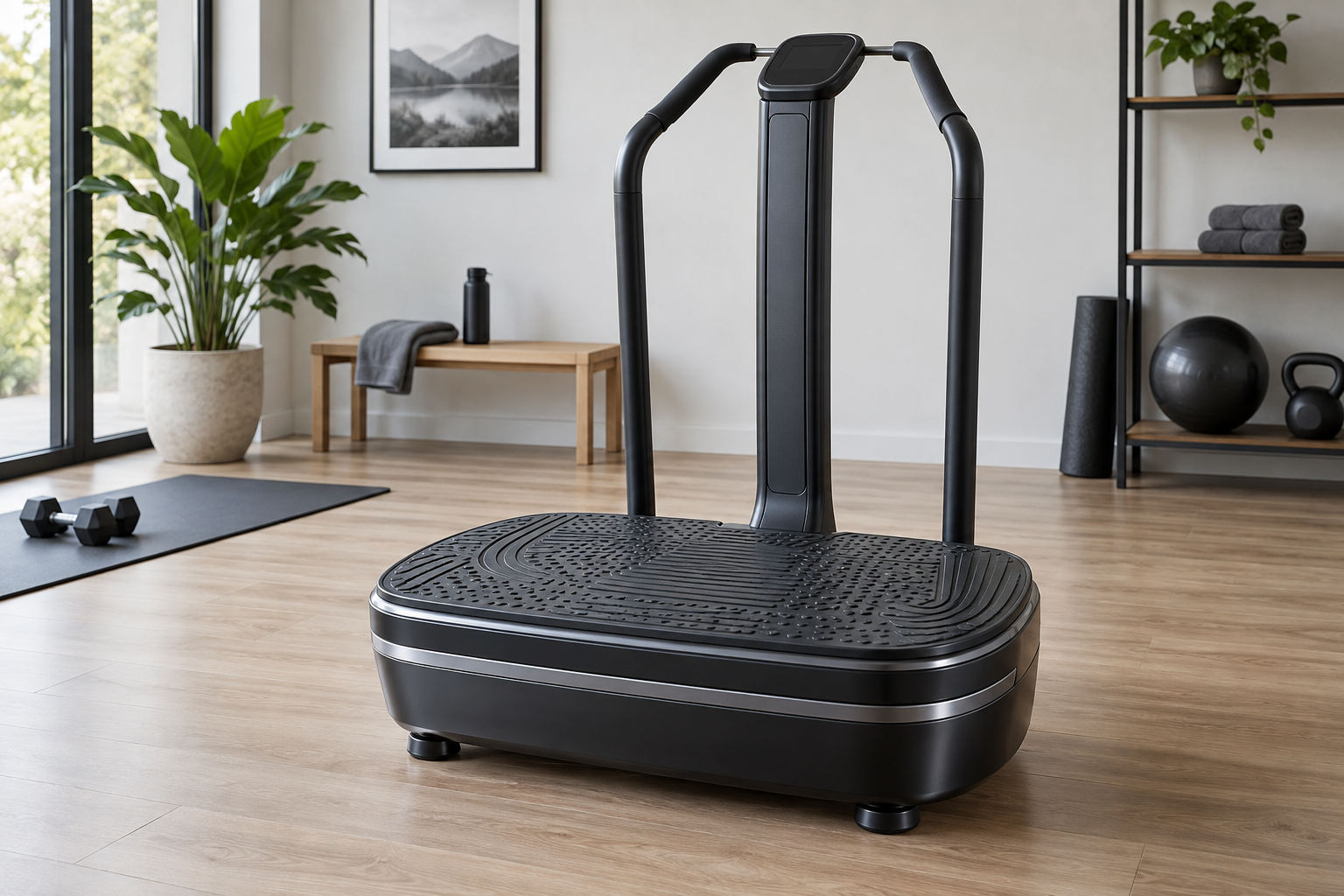
LifePro Waver Mini Compact Vibration Plate
A smaller-footprint LifePro option for short sessions and easier storage.
A sensible starting schedule is two or three vibration plate sessions per week with a recovery day between them. Frequency depends on what you do on the plate. A demanding squat circuit stresses the body differently from a few gentle balance drills, so both should not be counted as identical sessions. Plan frequency around the exercise dose, your other training, and how you recover rather than trying to use the machine every day immediately.
During week one, schedule two sessions separated by at least forty-eight hours, such as Monday and Thursday. Use low settings and short rounds. In week two, repeat the same schedule or add a third session on Saturday if there was no unusual soreness, headache, joint irritation, or balance problem. Keeping the first fortnight predictable gives you usable feedback.
Write down the exercises, total vibration minutes, and next-day response. Ordinary muscle fatigue may be acceptable, while sharp pain, prolonged tingling, dizziness, or symptoms that worsen deserve a pause. A clinician can help determine whether use is appropriate if you have a medical condition, implanted device, recent operation, pregnancy, or another concern named in the manufacturer’s safety guidance.
Strength sessions that include loaded squats, lunges, push-ups, or long isometric holds belong on hard days. Give the trained muscles time to recover just as you would after conventional resistance exercise. Gentle mobility, a short warm-up, or supported balance work can be an easy session, though it still counts as exposure to vibration.
If you already lift weights or run, place hard plate work next to related training instead of creating another demanding leg day. For example, finish a Monday lower-body workout with a brief plate circuit, then keep Tuesday free of hard vibration work. This arrangement preserves actual recovery days. Using the plate on every nominal rest day can quietly turn a balanced week into seven straight training days.
Daily use is not a necessary target. Someone who has adapted well may perform a few low-intensity minutes on consecutive days, but the dose should stay clearly below a hard workout. Do not repeat the same fatiguing routine daily merely because a preset program is short. Muscles, tendons, and joints respond to total load, not the marketing name of the program.
Before adding a day, ask three questions: Was the previous session comfortable? Has normal movement returned? Can the next session be performed with stable form? If any answer is no, keep the recovery day. Add frequency only after duration and settings have been stable for at least a week. Reducing a round or two when adding a day can prevent a sudden jump in weekly exposure.
Decrease frequency when soreness lasts beyond forty-eight hours, performance drops across sessions, sleep is disrupted, or minor aches accumulate. Also reduce the setting or choose easier positions; skipping a day alone may not solve an overly aggressive routine. When travel, illness, or a long break interrupts training, return with the beginner schedule rather than resuming the old dose at once.
A practical mature schedule is often three sessions per week: one strength-focused day, one balance or mobility day, and one mixed session. It can be repeated only while recovery remains good. Review the schedule every two weeks using the log rather than allowing sessions to expand automatically. Frequency serves the training goal; it is not a score to maximize.
As an Amazon Associate, we may earn from qualifying purchases.
A smaller-footprint LifePro option for short sessions and easier storage.
Begin with two sessions a week, move to three only after comfortable recovery, and distinguish hard exercise from gentle practice. Leave space for the rest of your training and lower the weekly dose when form or recovery deteriorates. Consistency over months matters more than squeezing the plate into every day. Set the days on a calendar, then review the actual response instead of assuming the plan must stay fixed. A missed week is best followed by a lighter return session. The schedule should make the next session feel possible, not turn the machine into another obligation.
Continue the How Often Should You Use a Vibration Plate decision in the full product catalog, brand directory, or vibration plate finder.