Bluefin Fitness
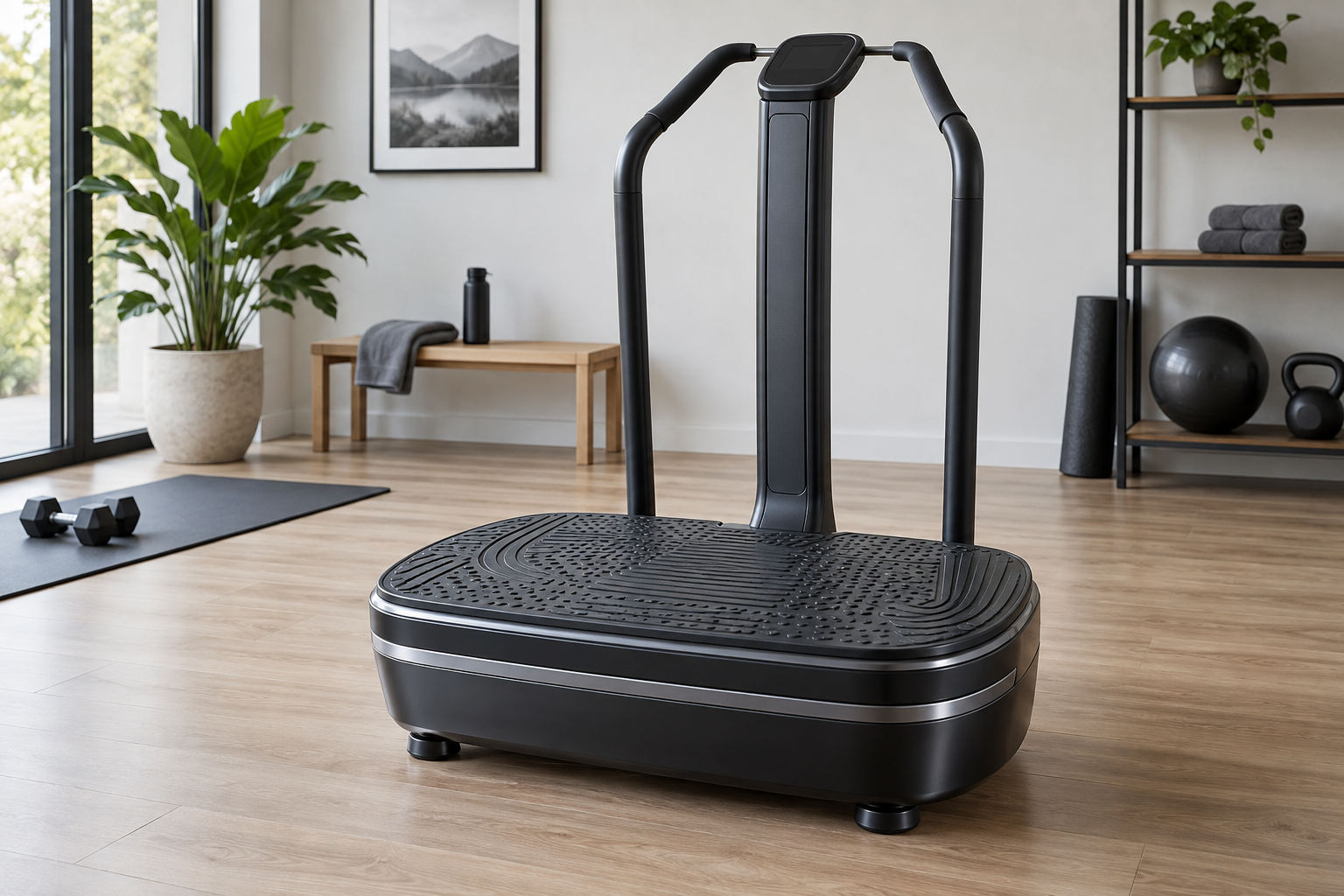
Bluefin Fitness Ultra Slim 3D Vibration Plate
A low-profile Bluefin option aimed at buyers balancing multi-direction motion and storage.
A vibration plate burns some calories, but no accurate universal number exists. Energy use changes sharply depending on whether a person stands still, holds a squat, performs a circuit, or uses resistance bands. Body size, fitness, motion type, amplitude, session length, and support from the hands also affect the result. Most consumer calorie displays estimate rather than directly measure metabolism, so a precise figure on the screen should be treated as a rough prompt, not a laboratory result.
Researchers measure oxygen consumption under a specific protocol and population. A number from active squats on one platform cannot be transferred to passive standing on another. Product articles often multiply an assumed calories-per-minute value by session time without showing where the value came from. That creates confident totals from weak assumptions.
Wearable trackers have the opposite problem: vibration and arm movement can be misread as activity, while gripping a rail can disrupt heart-rate readings. The machine itself usually knows time and selected level, but not the user’s true oxygen consumption. Even a sound estimate will be a range rather than an exact personal count.
Standing with soft knees requires stabilization, yet the total muscle work is limited. Adding controlled squats, calf raises, lunges, push-up holds, or band rows involves more muscle mass and increases effort. The exercise choice usually matters more for energy use than moving from one arbitrary speed number to another.
A short active session can contribute to daily movement, especially for someone starting from a low baseline. It is still unlikely to match the calorie expenditure of sustained brisk walking, cycling, or a full-body resistance workout of similar duration. That comparison helps keep weight-loss expectations proportional.
Track session minutes and effort consistently instead of eating back a displayed calorie total. A simple log might record five exercises, work and rest intervals, and a perceived-exertion score from 1 to 10. If the same circuit becomes easy, progress the movement, range, or time while preserving form. This creates a training record even when the calorie number is uncertain.
For weight management, weekly body-weight averages, waist measurements, food intake, and total activity provide more useful feedback. If progress stalls, an unverified 300-calorie machine display should not be used to argue that energy balance no longer matters. Adjust the overall plan based on the trend.
Choose enough platform space for the exercises you will perform, stable resistance-band anchors if bands are part of the plan, and controls reachable without interrupting a circuit. A timer and programmable intervals can improve flow. Sturdy handles may increase confidence, though leaning heavily on them reduces the work required to stabilize.
Claims that a few minutes equal an hour of conventional exercise are a poor basis for comparing machines. Look for clear dimensions, weight capacity, motion type, warranty, and gradual control. A product that supports repeatable active sessions is more useful than one that advertises the largest calorie number.
Dizziness, joint pain, numbness, headache, unusual shortness of breath, or loss of control are reasons to stop. People with medical or balance concerns should get guidance before adding intense intervals. More vibration is not automatically more metabolic benefit, and pushing speed while form collapses can reduce the value of the exercise.
Recovery also counts. If a vigorous plate session leaves the user too sore to walk or strength train for several days, it may lower total weekly activity. The right dose supports the larger program.
As an Amazon Associate, we may earn from qualifying purchases.
A low-profile Bluefin option aimed at buyers balancing multi-direction motion and storage.
A vibration plate contributes to calorie expenditure, particularly when it is used for active full-body exercises, but exact burn estimates are unreliable outside a measured laboratory protocol. Treat the machine as a compact exercise platform and track the work performed. For weight change, judge the complete week of eating and activity rather than a bright calorie counter after ten minutes.
Continue the How Many Calories Does a Vibration Plate Burn decision in the full product catalog, brand directory, or vibration plate finder.