AXV
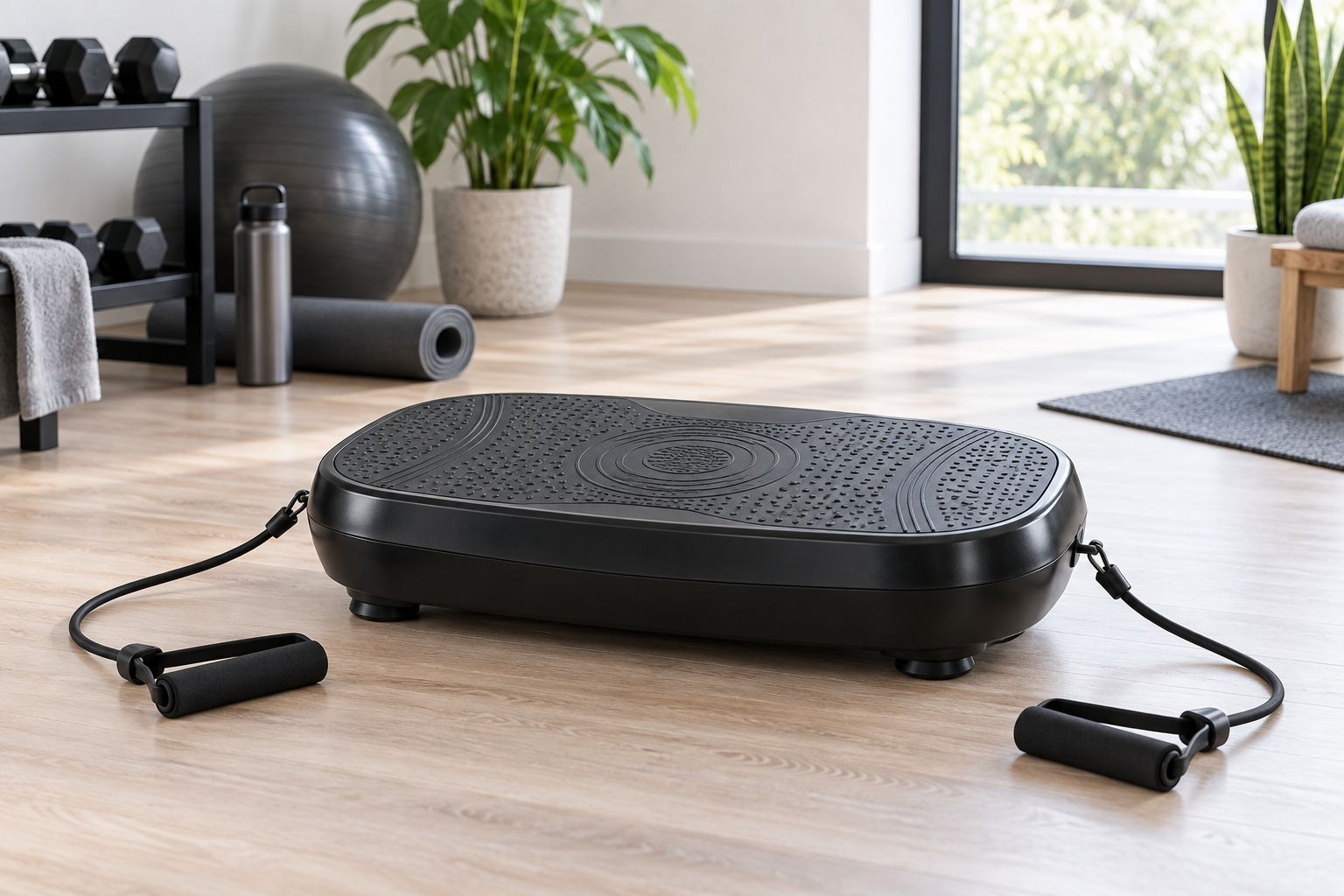
AXV Curved 200W Bluetooth Vibration Plate
A curved compact plate with a 200-watt motor and Bluetooth-listed configuration.
A home vibration plate needs little maintenance, but the checks it does need are tied directly to safe operation. The platform repeatedly loads its feet, fasteners, cord, and resistance-band anchors, so small problems can become noise or movement if they are ignored. A five-minute check each week and a deeper monthly inspection are usually more useful than applying lubricants or opening the housing. The owner’s manual remains the authority for model-specific service intervals and replacement parts.
Unplug the machine and let it sit until the display is dark. Wipe dust from the deck and housing so cracks and loose parts are visible. Run your hand along the power cord while looking for cuts, crushed areas, discoloration, or a plug that feels loose. A damaged cord should be taken out of service rather than taped and returned to use.
Press each corner of the plate while it rests on the floor. It should not rock. Inspect the rubber feet for trapped debris, wear, or a missing pad. Check that vents remain clear, then look at the deck surface for lifting material or slick residue. Do not insert brushes or tools through ventilation slots.
Stretch each resistance band gently while watching the full length. Retire a band with cracks, thinning, frayed fabric, sticky rubber, or a damaged clip. Examine the anchor point on the plate and confirm the clip closes fully. Store bands relaxed, away from sunlight and heat, because leaving them stretched around the machine accelerates wear.
Use only the tool and procedure named in the manual when checking exterior fasteners. Tighten a loose accessible bolt until secure without forcing it; overtightening can strip a thread or distort plastic trim. Do not remove covers to chase a rattle. Internal belts, bearings, motors, and electrical parts require qualified service unless the manufacturer supplies an explicit owner-maintenance procedure.
After the unplugged inspection, place the machine in its normal location with nothing touching the housing. Start it empty at the lowest setting for fifteen seconds and listen. Then repeat at a middle setting only if the manual allows unloaded operation. Note a new knock, scrape, electrical buzz, burning smell, or speed that surges. Stop immediately if any appears.
Next, stand in the usual position at a low setting. Confirm that the plate stays centered, the controls respond, and the timer stops correctly. Test the remote from close range, then clean its battery contacts if needed. Recording the date and anything unusual makes slow changes easier to recognize than relying on memory several months later.
When a noise or wobble appears, first rule out the room: remove nearby objects, verify that all feet contact the floor, and try the machine at low speed. If the symptom persists, unplug it and inspect only the external parts covered by the manual. Photograph a cracked foot or loose attachment and record the model and serial number before contacting support.
Never oil the platform, spray lubricant into a seam, bypass a safety switch, or substitute a household bolt for a specified part. Stop using a unit that trips breakers, smells hot, exposes wiring, changes speed unpredictably, or continues moving after a stop command. Those signs warrant manufacturer or technician help rather than another workout.
As an Amazon Associate, we may earn from qualifying purchases.
A curved compact plate with a 200-watt motor and Bluetooth-listed configuration.
Maintenance is mainly observation, cleaning, and timely replacement of worn accessories. Weekly exterior checks catch cord, foot, and band problems; a monthly function test reveals changes in sound or control. Keeping the housing closed and following the model manual protects both the machine and the person standing on it. Keep the purchase receipt, manual, support contact, model number, and serial number together. When an accessory is replaced, record the date and specified part number. That small service history helps support understand the machine and prevents an almost-fitting band, remote, foot, or cord from becoming a permanent substitute.
Continue the Vibration Plate Maintenance: Cords, Feet, Bands and Fasteners decision in the full product catalog, brand directory, or vibration plate finder.