MERACH
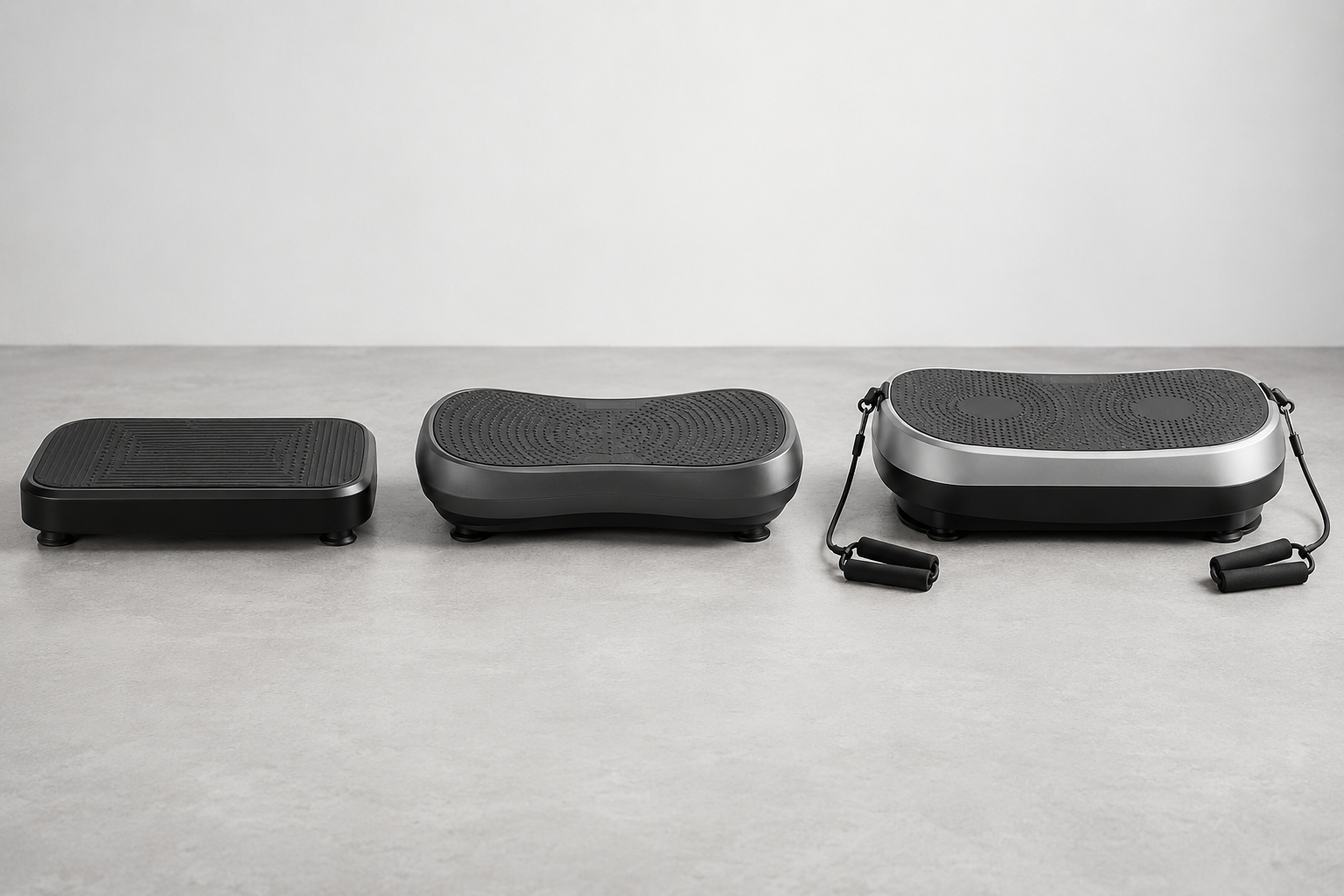
MERACH 440-Pound Capacity Vibration Plate
A higher-capacity MERACH choice for shoppers who need more margin in the stated limit.
A low-intensity vibration plate session may feel helpful after training, and some studies report short-term changes in soreness, flexibility, blood flow, or neuromuscular function. The evidence is not consistent enough to call vibration a universal recovery treatment. Recovery also means different things: feeling less sore, restoring force output, regaining range of motion, and healing injured tissue are separate outcomes. A plate can be one optional tool between workouts, but it cannot replace sleep, nutrition, sensible programming, or diagnosis of an injury.
Gentle vibration creates repeated contractions and sensory input. That may raise local temperature, alter the perception of discomfort, and move joints through tiny cycles without a demanding load. Some athletes find the sensation relaxing; others find it irritating. A temporary reduction in soreness can make movement easier, though it does not prove the muscle repaired faster.
The dose matters. A hard squat circuit on a plate is another workout, not recovery. High settings, deep positions, or long sessions can add fatigue and delayed soreness. The intended session should leave the person at least as comfortable and coordinated as when it began.
Trials often induce muscle damage with unfamiliar exercise and then compare vibration with passive rest, massage, or another recovery method. Researchers may record soreness ratings, range of motion, creatine kinase, jump performance, or strength. Reviews find possible benefits for some measures, but protocols and results vary. A lower soreness score does not necessarily mean force production has recovered, and a blood marker alone may not reflect readiness to train.
Most research uses specific equipment and controlled timing. A home machine with unknown amplitude cannot reproduce a protocol just because the level number looks similar. The evidence supports experimentation with a gentle dose more than it supports a precise recovery prescription.
Wait until breathing has settled, then use a low setting for a few short bouts. Keep a relaxed, soft-knee stance or alternate with easy calf raises and shallow weight shifts. The goal is comfortable movement, not a burning muscle sensation. Five minutes may be enough to learn whether it helps; a preset 20-minute program is not mandatory.
Compare it fairly over several similar workouts. Record next-day soreness, range of motion, and performance in the next planned session. If the plate feels good but the next workout is worse, the dose may be too high. Also compare it with a short walk, easy cycling, or normal cooldown, which require no additional machine.
Typical delayed-onset muscle soreness is diffuse, follows unfamiliar effort, and often peaks over the next day or two. Sharp pain, a sudden pop, significant swelling, bruising, weakness, joint instability, or pain that keeps worsening suggests something else. Vibration can mask how an area feels for a short time and should not be used to test whether an injury has healed.
Avoid placing acutely injured tissue on the platform until a qualified professional has assessed it. People recovering from surgery or a fracture need clearance. Numbness or altered sensation also makes it harder to judge dose and pressure.
Smooth low-intensity control matters more than the highest advertised setting. A wide deck allows a comfortable stance, while reachable controls let the user stop immediately. Noise can work against a calming session. A remote is useful only if its buttons are clear and responsive.
Some models promote massage modes, acupressure surfaces, or multiple motors. Those features may change feel, but they do not guarantee better recovery. A stable, predictable plate with a good return policy lets the individual response guide the purchase.
As an Amazon Associate, we may earn from qualifying purchases.
A higher-capacity MERACH choice for shoppers who need more margin in the stated limit.
A vibration plate may reduce the feeling of soreness or help a person move gently after training, but results differ and the best dose is modest. Treat recovery sessions as an experiment: keep them easy, track readiness at the next workout, and compare them with simpler active recovery. Pain that behaves like an injury belongs in a clinical assessment rather than a vibration program.
Continue the Using a Vibration Plate Around Muscle-Recovery Sessions decision in the full product catalog, brand directory, or vibration plate finder.