LifePro
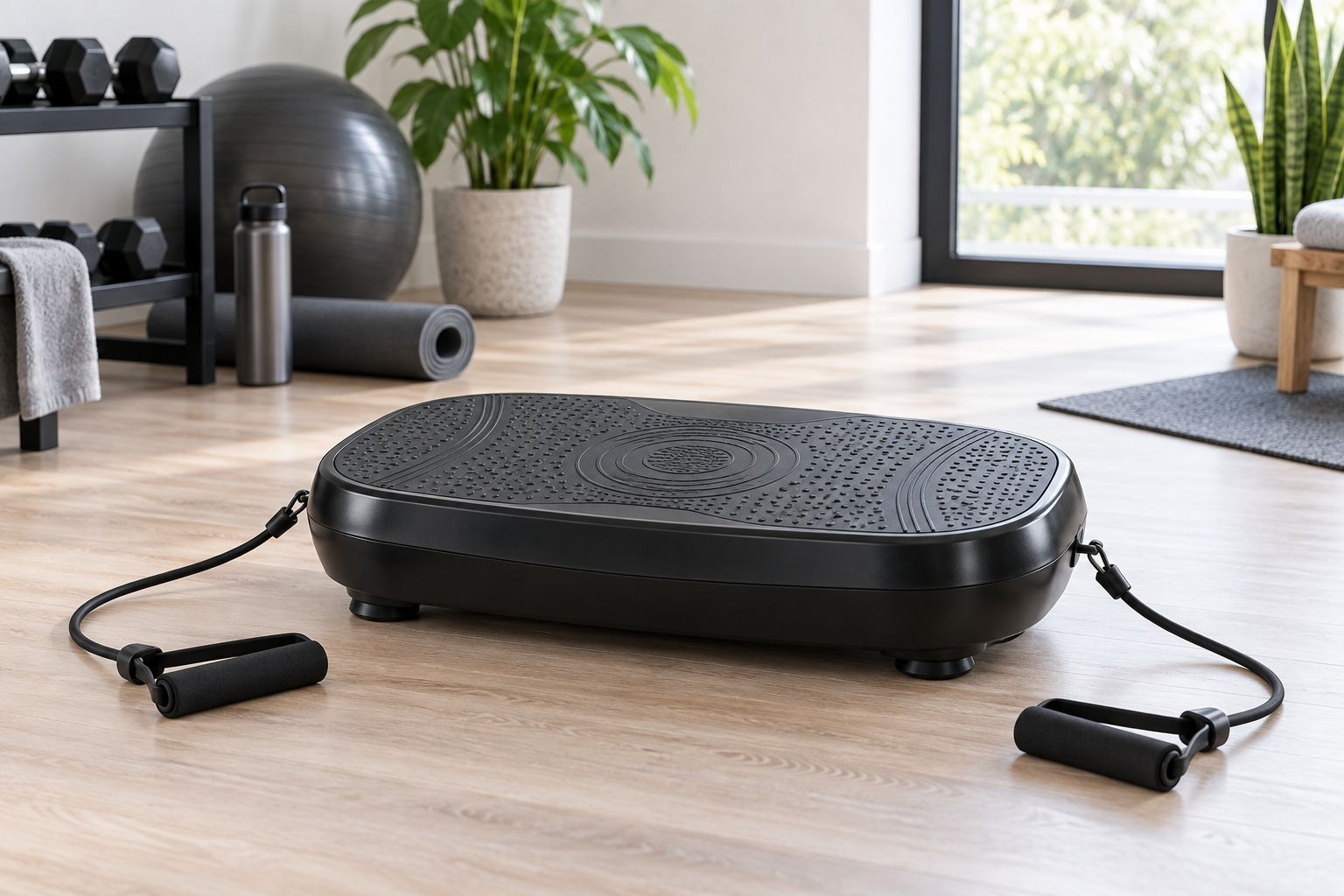
LifePro Waver 99-Speed Oscillating Vibration Plate
A broad home platform for shoppers who want straightforward oscillation and resistance-band anchors.
Pregnancy is not the time to start using a vibration plate without direct approval from the clinician managing the pregnancy. Whole-body vibration transmits repeated mechanical forces through the body, and there is not enough high-quality research to establish a safe home protocol for pregnant users. Exercise during an uncomplicated pregnancy is often beneficial, but that general recommendation does not validate every device. The risk profile also changes by trimester, symptoms, medical history, balance, and pregnancy complications.
Pregnancy exercise guidelines support many forms of moderate activity for people who have been medically cleared. They emphasize known activities and adjustments for heat, hydration, falls, symptoms, and changing anatomy. A vibration plate adds rapid acceleration that is difficult to describe from a consumer level number. Studies of conventional walking or resistance exercise cannot simply be transferred to that exposure.
Manufacturers often place pregnancy on contraindication lists because safety data are limited. That is a reason to pause, not a prompt to locate a supposedly gentler preset. Even a person who used the plate before pregnancy should ask again because balance, joints, blood pressure, and comfort can change.
As pregnancy progresses, body shape and center of mass change. Hormonal and circulatory changes can also contribute to joint looseness, lightheadedness, or fatigue. Stepping onto a platform, responding to an unexpected program change, and reaching for a remote all add practical fall risks.
A rail reduces some risk but does not make vibration medically appropriate. Leaning on an unstable accessory can create another hazard. If a clinician permits use in a specific case, the plan should address getting on and off, footwear, supervision, settings, exercise positions, and symptoms that end the session.
Bring the model name, motion type, stated frequency and amplitude, and the intended exercises. Ask whether there is any reason to avoid whole-body vibration given placental issues, bleeding, cervical concerns, preterm-labor risk, blood pressure, clotting history, pain, or other complications. Ask whether prior experience changes the advice and when it should be revisited.
A vague assurance that the machine is "low impact" is not enough. Low impact describes foot contact, not the total acceleration delivered. If the product only reports levels 1 through 99, the clinician may reasonably be unable to assess the dose.
Most pregnancy-related interest in a plate has another goal behind it: staying active, easing stiffness, maintaining leg strength, or managing weight. Walking, prenatal strength work, swimming, stationary cycling, mobility exercises, or physical therapy may address those goals with more established guidance. The appropriate choice depends on medical clearance and prior activity.
For pelvic girdle pain, swelling, back pain, or balance problems, a prenatal physical therapist can modify movement and identify signs that need medical attention. A commercial machine should not become a self-treatment for a pregnancy symptom.
Anyone exercising during pregnancy should follow their clinician’s instructions about warning signs. Vaginal bleeding, fluid leakage, regular painful contractions, chest pain, fainting, severe headache, calf pain or swelling, marked shortness of breath, or reduced fetal movement are examples that warrant prompt medical contact. The exact response depends on the symptom and stage of pregnancy.
Dizziness or nausea on a platform also creates an immediate fall risk. Step off with support and do not resume by lowering the level alone. Postpartum return is another individual decision, especially after surgery, pelvic-floor symptoms, complications, or significant deconditioning.
As an Amazon Associate, we may earn from qualifying purchases.
A broad home platform for shoppers who want straightforward oscillation and resistance-band anchors.
There is no well-established consumer vibration-plate routine that can be declared safe across pregnancies. Ask the prenatal clinician who knows the medical history before using one, even if the machine feels gentle or was familiar before conception. In most cases, the underlying fitness goal can be addressed with an approved activity that has clearer pregnancy guidance and a better understood risk profile for both parent and baby.
Continue the Vibration Plates During Pregnancy: Why Personal Medical Advice Matters decision in the full product catalog, brand directory, or vibration plate finder.