LifePro
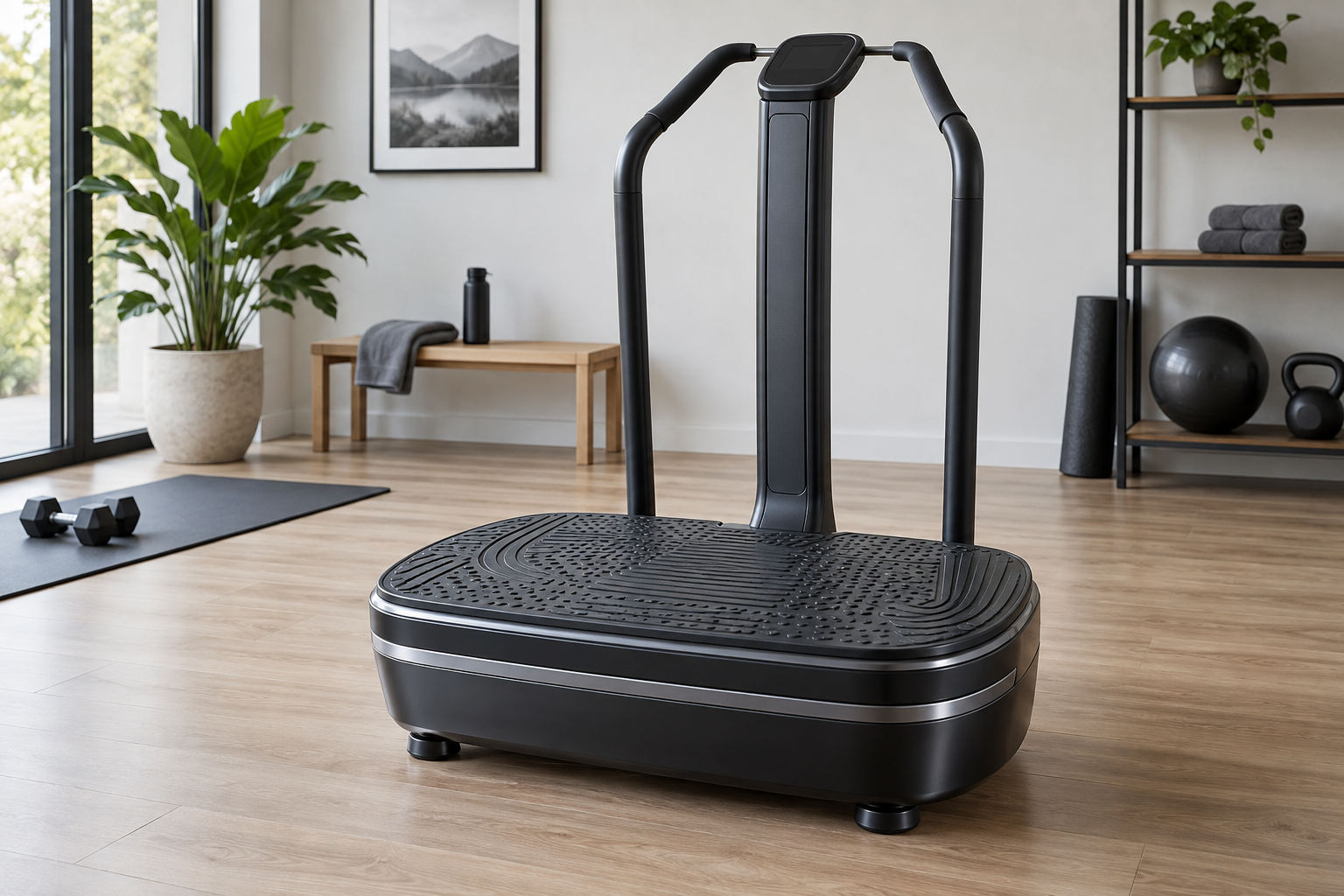
LifePro Waver Mini Compact Vibration Plate
A smaller-footprint LifePro option for short sessions and easier storage.
Common unwanted effects from a vibration plate include dizziness, headache, tingling, itching, nausea, temporary joint discomfort, or soreness after doing too much. Many problems come from high settings, locked knees, long first sessions, poor balance, or a platform placed on an unstable surface. Some symptoms are mild and resolve after stopping; others signal that the user needs medical advice. A safe routine begins well below the machine’s maximum and treats discomfort as information rather than proof that the plate is working.
Vibration stimulates muscles, skin receptors, and the balance system. A new user may notice buzzing after stepping off, warm or itchy skin, or fatigue in stabilizing muscles. The eyes and inner ear may not agree with the motion, producing lightheadedness or nausea. These responses are more likely when the user looks down, locks the knees, or starts with a long automatic program.
Begin with brief low-level bouts while holding support nearby. Keep the head steady, breathe normally, and bend the knees slightly. If an unpleasant sensation appears, stop rather than waiting for the timer. Symptoms that recur at a low dose make the machine a poor fit until the cause is understood.
A deep squat, wide stance, or vigorous side-alternating motion can increase stress on the ankles, knees, hips, and back. Soreness from active exercises may appear the next day. Joint pain, sharp pain, or pain radiating down a limb is different and should not be trained through. Shoes, stance width, deck size, and platform motion all change how forces travel.
The user can reduce one variable at a time: shorten the bout, lower the setting, narrow the stance where appropriate, or replace an advanced exercise with supported standing. If pain persists after stopping, affects walking, or follows a recent injury or surgery, seek professional guidance before returning.
Stop immediately for faintness, chest pain, unusual shortness of breath, severe headache, new weakness, loss of coordination, marked palpitations, or vision changes. Sudden one-sided leg swelling, redness, warmth, or pain can indicate a clot and is not a reason to try a circulation program. Emergency symptoms require urgent care.
New numbness, persistent tingling, unusual bruising, increased swelling, or skin breakdown also warrants advice, especially for people with diabetes, neuropathy, vascular disease, or anticoagulant use. Reduced sensation can hide pressure and excessive exposure.
Pregnancy, recent surgery or fracture, implanted medical devices, significant heart or vascular disease, clotting concerns, uncontrolled blood pressure, severe osteoporosis, recurrent vertigo, seizure disorders, and major balance impairment can change the decision. This is not a complete universal list. Diagnosis severity, treatment, and medications matter.
The clinician should know the proposed exercises and the machine’s motion specifications. Saying only that it is a fitness plate provides little detail. A physical therapist can help with stance and progression when the goal is rehabilitation or fall prevention.
Place the plate on a firm, level floor with the recommended clearance. Use a compatible dense mat if needed for floor protection, but avoid thick foam that lets the machine rock. Inspect the cord, feet, deck, rail, and band attachments. A shaking floor or walking machine may indicate poor placement, damaged feet, or a mechanical problem rather than a normal side effect.
Select a model with gradual low settings, clear stop controls, adequate weight capacity, and a deck that fits the intended stance. A remote should supplement, not replace, an accessible emergency stop. Follow the manufacturer’s session limits while personal tolerance is being established.
As an Amazon Associate, we may earn from qualifying purchases.
A smaller-footprint LifePro option for short sessions and easier storage.
Most mild vibration-plate side effects can be reduced by using shorter sessions, lower settings, soft knees, and stable support. Persistent pain, neurological symptoms, cardiovascular symptoms, unusual swelling, or loss of balance call for stopping and getting appropriate advice. The right dose is the lowest one that supports controlled exercise without creating symptoms during the session or later that day.
Continue the Vibration Plate Side Effects and Signs to Stop decision in the full product catalog, brand directory, or vibration plate finder.