FLYBIRD
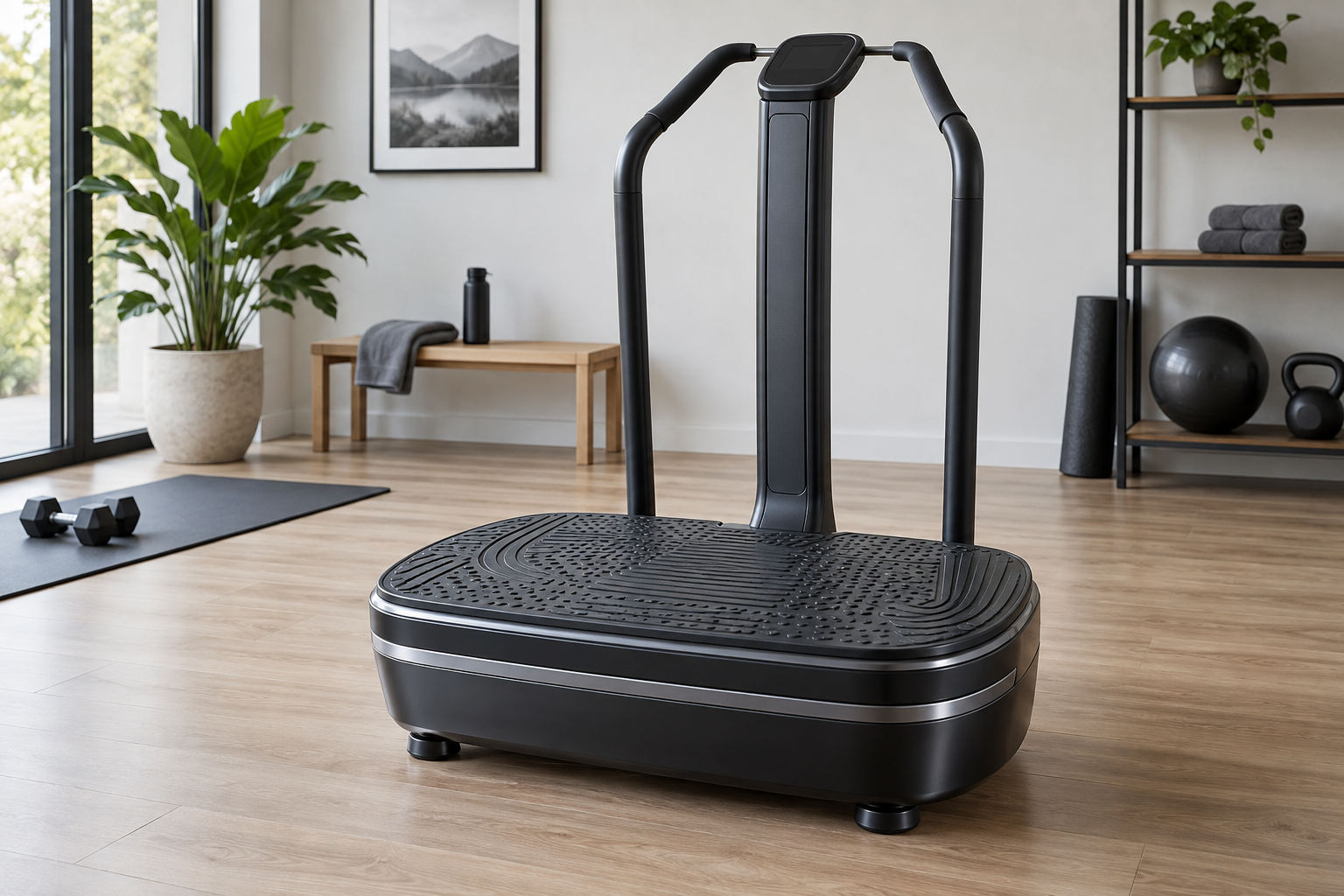
FLYBIRD Curved 120-Level Vibration Plate
A curved platform for shoppers comparing a wide control range in a compact chassis.
Some people should avoid a vibration plate until a clinician familiar with their health has reviewed the idea. The highest-concern situations include pregnancy, an acute injury, a recent fracture or operation, suspected blood clot, unstable heart or vascular disease, significant balance problems, and certain implanted devices. No online list can declare every diagnosis safe or unsafe because severity, medications, healing stage, and machine dose change the answer. When uncertainty is material, medical clearance is part of choosing the equipment.
Do not step onto a plate to test sudden one-sided swelling, chest pain, faintness, new neurological symptoms, severe headache, unexplained shortness of breath, or acute severe pain. Those symptoms can need urgent assessment. Fever with a red swollen limb, a wound, or an active infection is also a reason to stop and seek care rather than pursue a wellness program.
After surgery, fracture, joint replacement, or another procedure, tissue-healing timelines differ. Feeling capable of standing does not mean repeated vibration is appropriate. The surgeon or rehabilitation clinician can consider fixation, precautions, weight-bearing status, and the intended exercise.
People with implanted electronic devices should ask the clinician or device team whether the specific platform poses a concern. Those managing significant rhythm problems, uncontrolled blood pressure, vascular disease, clotting history, anticoagulant use, severe osteoporosis, seizure disorders, recurrent vertigo, neuropathy, or major eye conditions also need advice tailored to the diagnosis. This list is illustrative rather than complete.
Cancer history by itself does not produce one universal answer, but active treatment, bone involvement, lymphedema risk, recent surgery, fatigue, and infection risk may shape the plan. A clinician can decide whether gentle exercise is appropriate and whether vibration adds useful value.
A user needs to step on, tolerate motion, adjust controls, and step off while coordinated. Frequent falls, severe weakness, vision problems, vestibular disorders, or sedating medication can turn those tasks into a hazard. A rail may help, but it does not fix every source of instability.
Neuropathy or reduced sensation can hide excess pressure, skin irritation, or an aggressive dose. Diabetes can add wound-healing and vascular concerns. Inspect the feet and skin, but do not rely on self-monitoring alone when sensation is substantially reduced.
Pregnancy lacks a well-established safe consumer protocol, so the prenatal clinician should make the decision. Children should use exercise equipment only under appropriate adult and professional guidance; a product’s weight limit is not a developmental safety standard. Frail older adults may benefit from supervised training in some settings, yet unsupervised access to a moving platform can raise fall risk.
For any user who cannot get on and off independently, the helper must also be able to assist without being pulled onto the machine. A physical therapist may recommend a different setup or begin with floor-based exercises.
Bring more than the phrase "vibration plate." Provide the model, oscillating or linear motion, published frequency and amplitude, deck height, presence of rails, and planned exercises. Explain whether the goal is balance, strength, soreness relief, or something else. This lets the clinician assess a real exposure rather than a generic product category.
Ask which symptoms require stopping, how long the first sessions should be, and whether footwear, compression garments, or supervision are needed. If the clinician cannot recommend a dose because the manufacturer withholds specifications, consider a more transparent model or a familiar alternative activity.
Use a firm level surface, stable support, athletic shoes if recommended, and the lowest controllable setting. Keep the knees soft and try short bouts. Add only one change at a time: duration, movement, stance, or vibration. Do not begin with an automatic high-intensity program.
Stop for dizziness, pain, numbness, unusual breathlessness, palpitations, worsening swelling, or loss of control. Check how the body responds later that day and the next morning before repeating. Clearance is permission to follow a sensible plan, not proof that every setting is safe.
As an Amazon Associate, we may earn from qualifying purchases.
A curved platform for shoppers comparing a wide control range in a compact chassis.
People with acute symptoms, recent procedures or injuries, pregnancy, significant cardiovascular or neurological concerns, implanted devices, fragile bones, impaired sensation, or poor balance should get individualized advice before using a vibration plate. The right answer often depends on the exact machine and exercise. When cleared, begin gently, use stable support, and let symptoms set the boundary.
Continue the Who Should Ask a Clinician Before Using a Vibration Plate decision in the full product catalog, brand directory, or vibration plate finder.